Wednesday, December 1, 2021

KARAMI slag bricks in naoshima & inujima

This time, so-called artworks in both islands are not talked about but this article only writes about KARAMI slag to give you rather unnoticed perspective to appreciate your island visit in Setouchi.


KARAMI bricks at 'I love ❤︎ you' public bathhouse in naoshima

KARAMI is a byproduct of refining copper or other minerals. In a word, it's slag. Due to lack of technology, slag contained more than just waste once; that was rather okay because it still had good content and could be made into other products such as bricks, tiles, and blocks. They are not available any more because the raw material KARAMI is now simply waste thanks to the advanced technology and can't made into such items but still used for construction material, for instance.

Even now, the KARAMI products can be found in Naoshima without being noticed specially. 

A set of KARAMI blocks that is easy to find is on the front porch of I ❤︎ you, an artistic public bathhouse in Miyanoura, the port area.

Inujima, one of the three major Benesse-related islands more reminds you of the KARAMI bricks than Naoshima and those in Inujima were used to expand the copper refinery premises. The Inujima copper refinery started its operation in 1909 and operated only for 10 years. The KARAMI bricks speak to us now, remaining on the grounds of the refinery-turned art museum. 

In Naoshima, you should look up or down to find the remains of KARAMI. They can be found along the alleys and roads while you walk in the neighborhood of, particularly, Miyanoura Port where you arrive by ferry to start your Naoshima exploration. Considering the history of islands in the Seto Inland Sea and Japan's rushed industrialization in the 20th century, what still remains there are our food for thought and deepen our understanding of the islands and human acts.

a picture of KARAMI roof-tiles

Gallery 6, a former pachinko parlor
made into art space
is currently exhibiting KARAMI project materials 

KARAMI brick displayed in the gallery

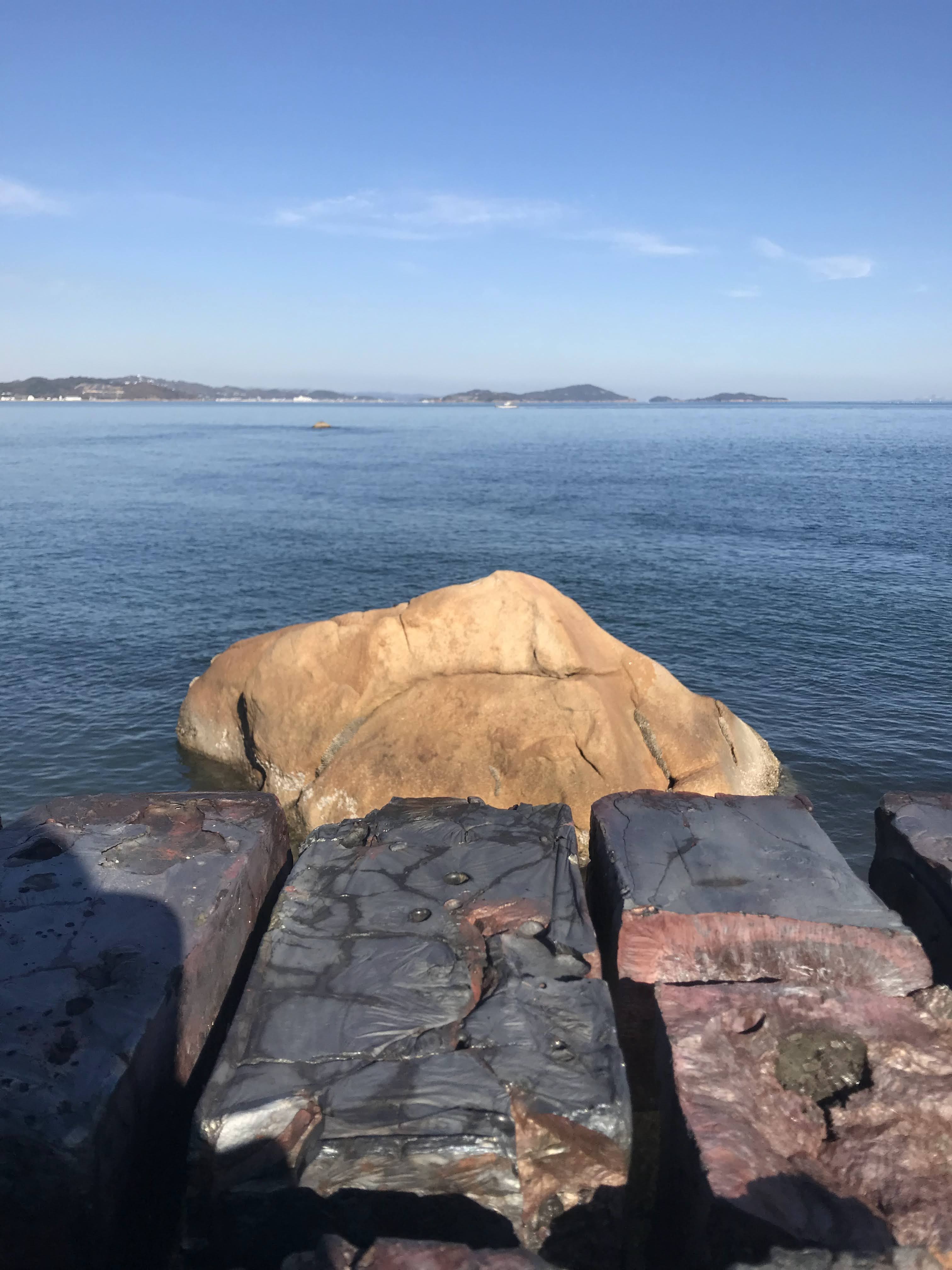
where KARAMI remains in Naoshima

THIS is KARAMI

KARAMI roof tiles:
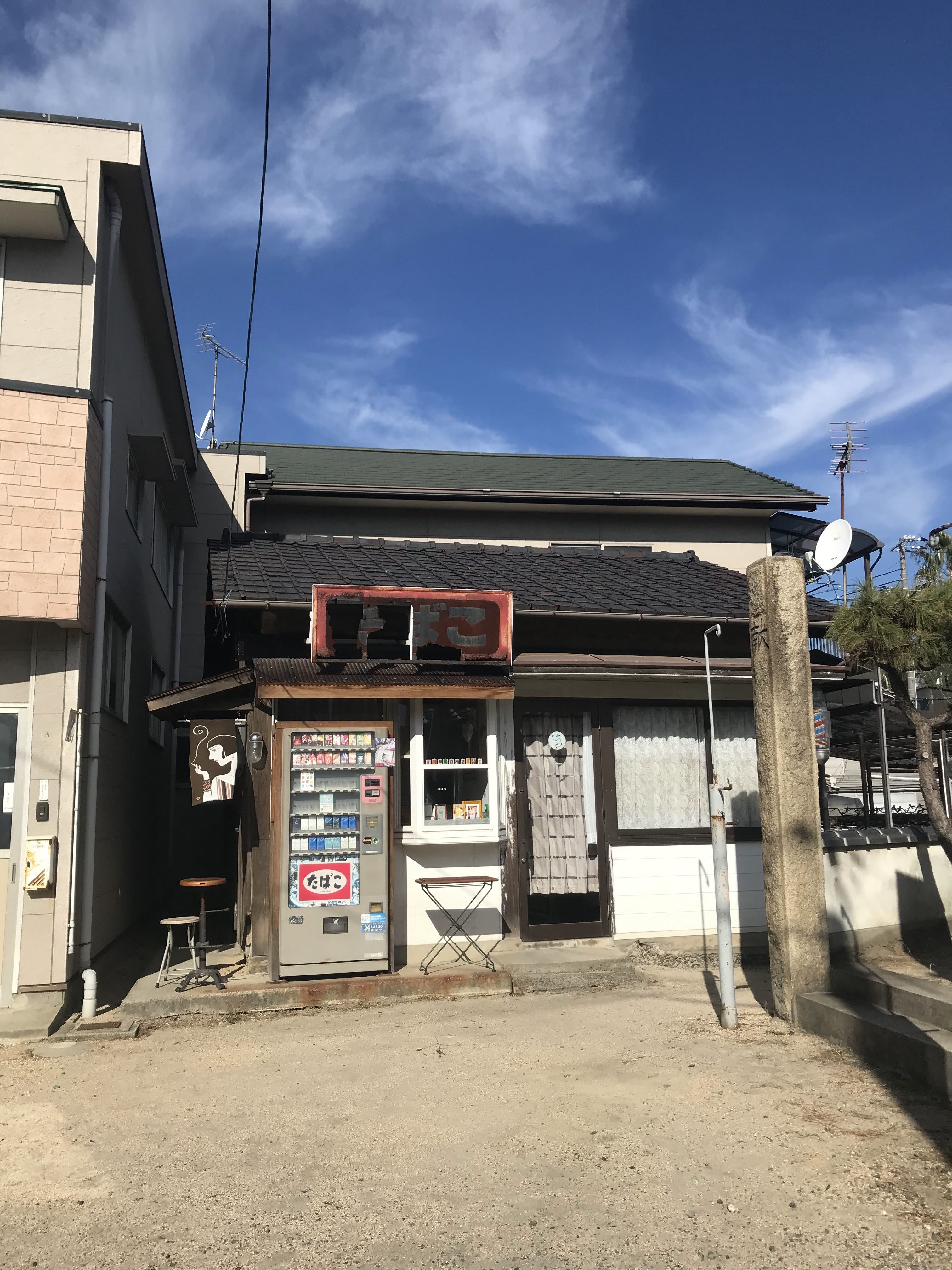
a former tabbaco shop
in the left of the house  
is now living as an ice cream and soup take-out store
named KOBATA (wine and beer are also served),
a minute-walk from Miyanoura Port
& a barber's shop in the right


NOW from naoshima to inujima by passenger boat


to the Seirensho Museum focusing on KARAMI bricks this time


the refinery grounds were expanded 
with the KARAMI slag bricks


the rail made of slag

museum terrace paved with the slag bricks


three round smokestacks remain and
one is integrated into art gallery 


old chimney on the hill as a legacy of industrialization; this one is octagonal 

now going back to the gate


the last day before the Museum closes
during the 2021-2022 winter time;
much less visitors due to covid


Saturday, October 30, 2021

Zuiko-zan Kiyomizu-dera temple, literally meaning the temple of mystical light and pure water

last steps to the main hall of the temple


a large stone lantern & main hall

great big cryptomeria trees


A Buddhist temple, located in a remote community in Yasugi, Tottori Prefecture, has a history of over 1400 years. The central deity enshrined in the main hall is the Kan-non Bodhisattva (Avalokiteśvara), a twin of the one now housed safely in the treasure hall of the temple. 


The twins were once kept in the chest facing each other’s back. The front one was originally enshrined in the main hall but was stolen and about to be shipped overseas from the port where it was found just before being shipped. 


Due to this happening, the temple decided to have the statue retired and kept in the treasure hall. Instead the twin which was in the back of the chest came to be enshrined in the main hall. 


A large sublime statue of the Amitabha Buddha in the treasure house quietly sits and sees you; nearby is the smaller version of Amitabha Buddha flanked by two Bodhisattvas whose posture is interesting from the viewpoint of art history. 


It’s a cozy little place with just enough items to appreciate fully. I stayed in the treasure hall for quite a while and the lady in charge was kind enough to answer my questions. It was much worth than spending time at a famous but busy temple in super-popular places. I felt something like telepathic connection with the deities.


One of the deities in the treasure hall, whose details have not known much and only several statues of which have survived to this day, is supposed to be hidden from public view. But here you have such a special opportunity to be able to witness his smiling face. 


That was because the statue saved itself from the fall of a big tree in 1983. The tree was right next to the hall where it was enshrined. The tree collapsed due to heavy snow but after the accident the statue was just peacefully sitting on the snow away from the ruins of the hall. The temple believed the deity was willing to show up and decided to house it in the treasure hall for the view of general visitors. 


The wooden relief of the Bodhisattva in the lotus pond, among others, was something to see. I’ve never seen anything like this before.


pagoda with tree projecting roofs

from the balcony of the top floor


large standing lantern:
believed to have made as a 
study for building the pagoda


A remarkable wooden pagoda with three projecting roofs stands on the large premises of this temple. The pagoda of traditional style was buit by three generations of local carpenters. Almost all of the Buddhist pagodas in Japan are off-limits and they were not made to go in and up the floors. In fact, they basically do not have multiple floors. But most of the pagodas with three projecting roofs have the ceiling for the ground floor and they are in a sense two-storied. 


This one has three floors, which is quite exceptional. What’s more, you are allowed to go in and up the tower, a very rare case of all the wooden traditional pagodas in Japan. You can even go out of the second and third floors of the pagoda and walk around it on its balcony.


The Buddhist vegetarian dishes can be enjoyed at two restaurants/inns on the temple grounds.


There's a trail on the hill in the back of the temple.


Now you know you will easily spend half a day here.

Monday, July 12, 2021

okunoshima now quiet while people are staying home

Once the ferry and passenger service was packed with tourists on the weekend and sometimes, or oftentimes rather, people had to wait for the next service to go to okunoshima because the island became too famous, first among tourist from abroad then followed by Japanese, due to the YouTube post of rabbits stampeding after a woman from Taiwan.

Now the island is taking a break and quiet again. 

Since I live just one hour away by car and ferry from the island, my husband and I took advantage of it and went to the island again in winter. Almost half a year has passed and now I am eager to go back (it's easy). 

Many tourists came to Hiroshima before the covid but most didn't have time to come down to the island. It will be the same from now on too after the covid case is closed (hopefully we can close the case). 

So now I'm thinking about providing an online meeting on the island. That way, those who cannot come can still experience the island more intimately. Or those who are planning to come some day can prepare for that. I wonder what I can do but at least due to covid, people became much closer to online activities. I learned the technology is out there. 

Here are two pics from several years ago. The baby in the picture is now six years old and attending primary school. In the other picture, kids from abroad are happy with the rabbits, feeding and playing with them. The parents must have been smiling beside them. The days like it will be back some day but let us be a little wiser and think about sustainable tourism. 


Thursday, December 17, 2020

 尾道柿園   ONOMICHI KAKI FARM


In many countries, kaki, which represents Japanese fruits, is called kaki. Kaki is sometimes translated persimmons in English but precisely speaking, they are different types. 

About one hour and a half away by car from hiroshima city center lies the farm where lots of kaki grow. They make dried kaki in fall. The scenery in November is particularly dreamy with lots of orange-colored or rather kaki-colored fruits hanging all around the place. 


This scenery was once at the brink of extinction. But there was a man who was born and raised here and now wanted to come back with his family. He has tried to restore the kaki forests with added values and sustainability. 


Here's the video from our visit that I went there with a friend.


Thursday, February 20, 2020

WATER GARDEN "MIZUNIWA"

reflection in the water at MIZUNIWA garden

Go there before you die. 

I shouldn't wait if I managed to go to the places on my wish list. Of course you just cannot go to such places today but I made it a rule not to wait too long because the time given to me is one day less every day. 

This winter is unusually warm caused by global warming, I believe. But this troublesome issue at least gave me an opportunity to go to the natural but unusual Mizuniwa garden. 

On February 20, 2020, I was there. 

I could make one day off on that day and had been thinking that I would go if there was no snow. But usually Nasu where the garden lies is too snowy in February. Amazingly there was only one snowy day that caused the garden covered with snow this winter. 

I called the Art Biotop a few times before I made a reservation two days before my visit. At that time I was convinced that there would be no snow and I would be able to walk in the garden.

I did. I was not surprised by the beauty because I knew it. I just had to be there to absorb the experience. And I did.

On July 1, 2020, they are opening their additional accommodations designed by BAN Shigeru, one of my favorite architects. 

A summer visit with a overnight stay will be good. 

I added the hotel to my wish list.


Tuesday, February 11, 2020

Onomichi has old and new

Historical Onomichi with the pagoda of Ten-nei-ji temple

Once in a while I have a fad about this port town. It happened already three times and will come back constantly. 

The first should have been about 15 years ago when my friends and I learned the basics of Onomich; the second was in 2011 when nobody came to Japan after the disastrous earthquakes and Tsunami. my friends and I were riding a bike and making up cycling routes by ourselves; the third is happening now and I'm seeing the town from many perspectives including stores, cafes, and restaurants run by the long-time residents and the new comers. The new Onomichi City Hall is another charming addition to the area.

The first time when my friends and I came to Onomichi a number of times in total introduced to us the orthodox Onomichi where 25 major temples and many small shrines lined the alleys on the slopes. We were amazed by how charming and even mystic these alleys were. We also learned how skillful Onomichi masons were by spotting what they made such as stone lanterns or statues. We came to know how Onomich thrived as a significant port town and how wealthy merchants and important samurai warrior members contributed to the creation of this temple town by building them and patronizing them over time. 

The fake castle tower on top of the hill built by the chairman of the Onomichi chamber of commerce and industry in 1964 will be finally torn down soon. I'm so glad about it because Onomichi was not a castle town and does not have to be. There are many former castle towns but there's just one Onomichi which thrived with merchants and some important samurai members from the middle age of Japan. 

The town has been known as the town of slopes where peoples' houses stand. It started after the introduction of the railway to Onomichi in 1891. The modern railway cut through the premises of shrines and temples and an interesting thing happened - unfortunate for some of the temples and shrines whose  grounds were divided into two by the railway. You will see local trains running by right in front of you from some of the temple gates or stone stairs leading to the temples. It's an interesting image symbolizing the modernization Onomichi had to go through. And people began to live on the slopes where only shrines and temples stood before. Now the private houses, shrines, and temples are connected by alleys and slopes, making the town one big maze.  

The town now is a gateway to the Shimanami Scenic Sea Route on which you can walk or ride a bike. The route connecting Honshu and Shikoku over the sea with seven bridges is now one of the most SACRED cycling routes for the bike riders. 

The town is unique as it is. It has old and new. It hosts young people who discovered this town and old members who have lived here for long. You will be sure to talked to by an old local lady if you look curious about the town or look lost. They believe you don't know how you can go to your destinations in mind. It's easy to get lost in Onomichi. You will love it.

Just like any other small cities and towns and villages, Onomichi has suffered from depopulation and lack of strong economy but young people are coming back or coming in. Something about Onomichi attracts these youth and me though I'm not that young.

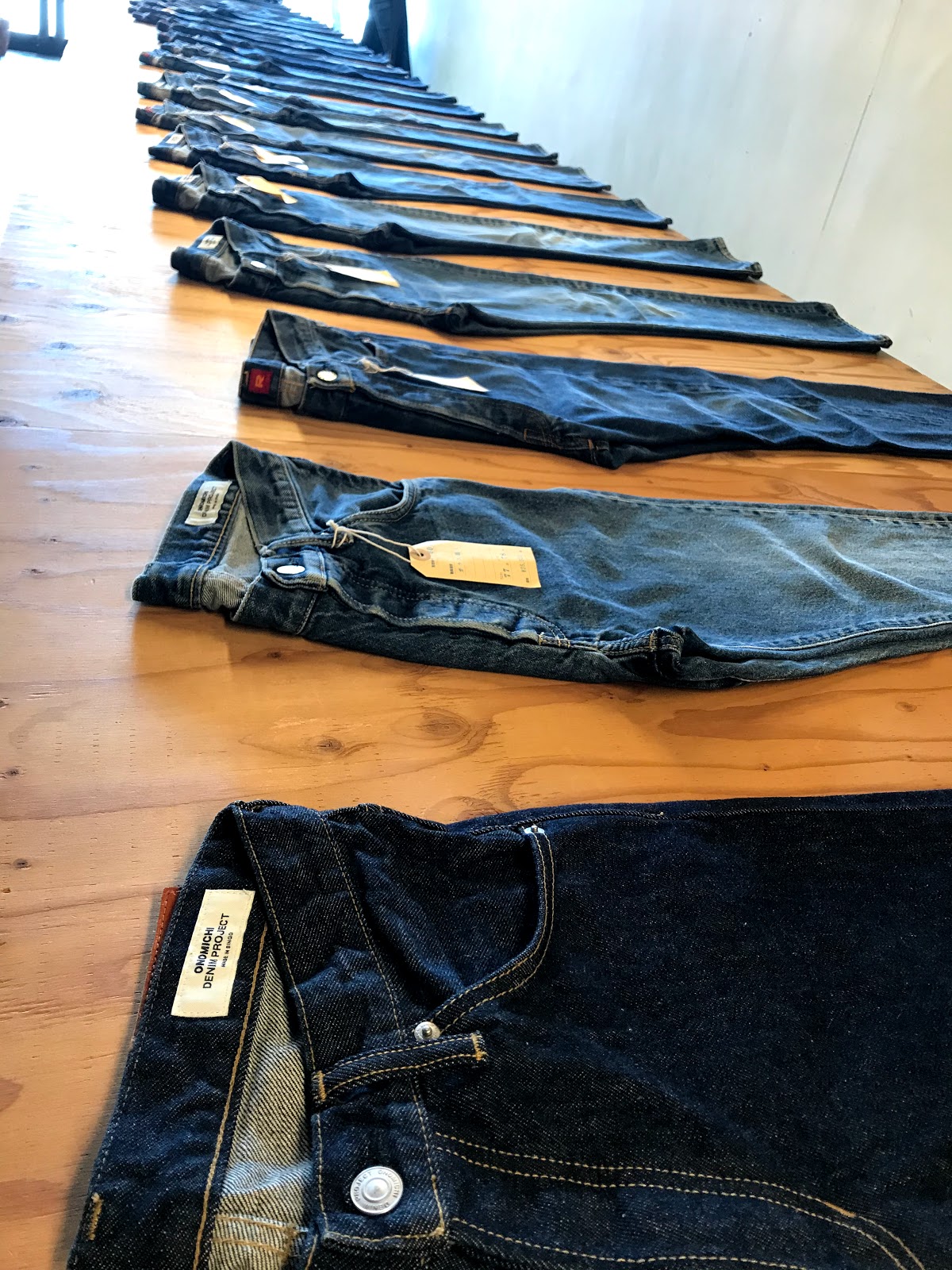
In this article is introduced this store where Onomichi vintage jeans are on sale. The young founders did not start this to make money but did this to make the town more attractive and cheerful and a happy place for the residents. 

Mostly locals got involved to make new jeans made in the BINGO area that Onomichi belongs to used and old. Locals from every rank and file wear the BINGO jeans for about a year under the periodical check and clean-ups by the store. The tag attached to respective jeans tells the occupation of the original wearer. Accordingly the jeans transformed themselves over a year.

The store is doing well, sustaining itself. What an idea they had!!
Bingo jeans on display


The right is the jeans store and the left a new cafe where lemonade and coffee are served.

Saturday, July 13, 2019

Takaya Shrine or Shrine in Heaven in Kagawa Pref.

The shrine is now becoming known and attracting the attention among Japanese. The inner shrine or Hongu is on top of the hill (404 meters above sea level); whereas Geku is at the bottom; and Chugu is in-between.
It takes about 50 minutes on foot from the bottom to the top. But there's a secret way by car. The roads are mostly narrow and winding but reachable on the weekdays when few cars go up the hill at the same time. But not on the weekend. Along with a nearby beach named chichibugahama, the shrine will be the one that has not yet been explored much. Having said that however, English articles about the shrine has already been uploaded like this one. It was a beautiful day, a break in the middle of the rainy season in Japan, when I was there.

Stairs you will come up if you hike from the bottom

a view of the Seto Inland Sea from behind the shrine


the gate in heaven; the shrine hall stands here


the gate at the bottom, through which you pray to the shrine hall on the hill